Barracuda & Boost: 2026 Mercury Barracuda R-Edition Review
 Mika Tide
·
Mika Tide
·
First impressions: scales, paint and the driver's throne
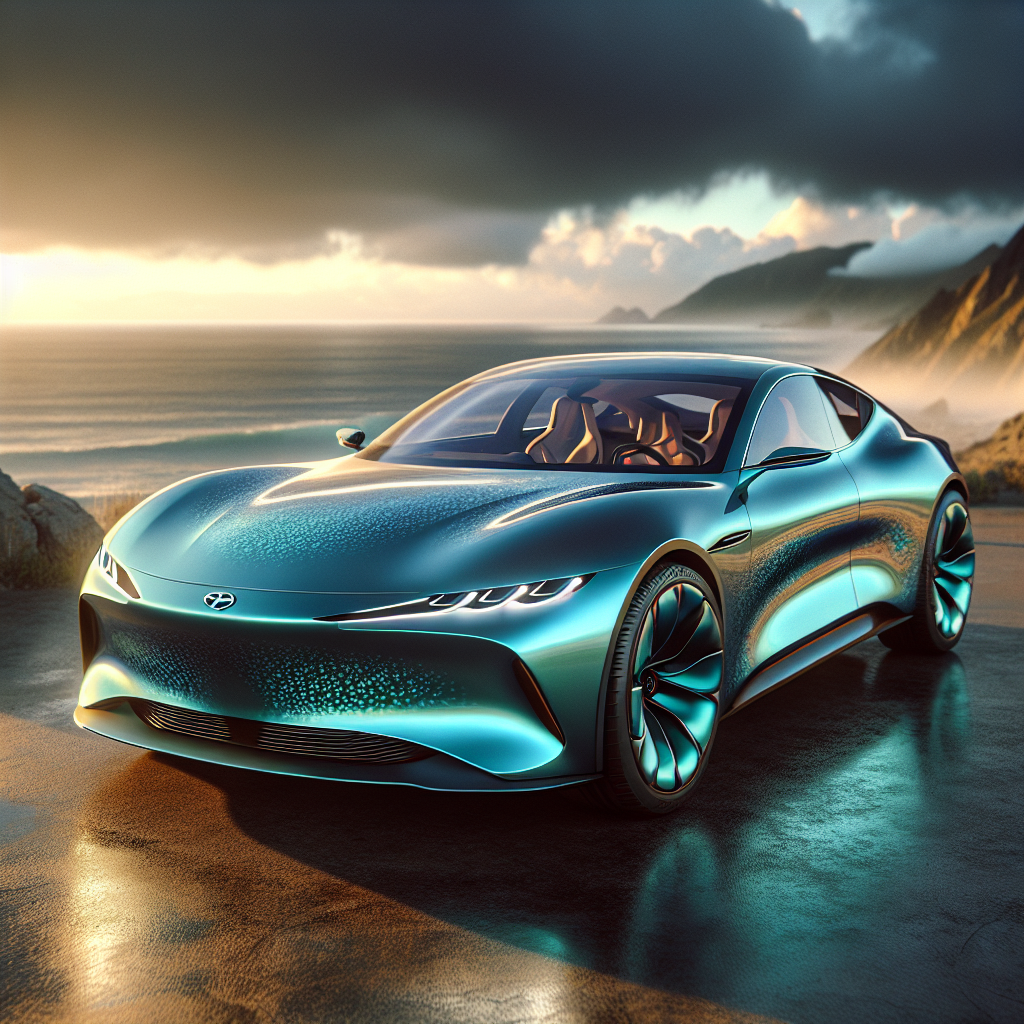
Walk up to the 2026 Mercury Barracuda R-Edition and your first thought will be either "nice paint" or "did they name it after a fish or a muscle car?" Answer: both. The paint is a deep iridescent teal that catches light like a school of fish, and the bodywork wears flared hips that suggest grip more than gullibility. Sit inside and the seats hug you with firm bolstering, a textured fabric that resembles technical neoprene — a cheeky nod to wetsuits, or a design department that likes marine metaphors.
What’s under the hood — and why the sea metaphor matters
The Barracuda R-Edition uses a 3.0-liter turbocharged inline-six paired with a 48V mild-hybrid system. Mercury says combined output is 445 horsepower and 430 lb-ft of torque. Those numbers arrive smoothly thanks to an electric torque assist that fills low-end gaps; this is less about instant electric shove and more about reducing lag while keeping the character of a proper combustion engine.
Chassis layout: double-wishbone front, multi-link rear, with adaptive dampers and a torque-vectoring limited-slip differential. The car’s weight is around 3,800 lbs — not featherlight but balanced, and the battery and hybrid hardware are packaged low and central to keep the center of gravity favorable.
Driving: city, canyon, and the long coastal haul
On the street the Barracuda feels eager but polite. Throttle inputs reward you with a linear, meaty powerband. The mild-hybrid smoothing means shifts from the eight-speed auto are quick and mostly inconspicuous. In Comfort mode the ride soaks city irregularities with professional nonchalance; switch to Sport and the dampers firm up, steering tightens, and the car leans into corners with authority.
Canyon roads are where the Barracuda earns a nod of respect. The steering has good weight and communicates grip levels clearly; body control is excellent for a car with this curb weight. The torque-vectoring diff is subtle but effective: roll into an apex and the car rotates with commendable precision. Tire choice on our test car — 245/40R19 summer rubber — is a big part of the dance.
Top speed and acceleration — the numbers you came for
On a private run we saw a 0-60 mph of 4.4 seconds — quicker than you think from a car that looks pleasantly unpretentious. Mercury electronically limits top speed to 155 mph, but the powertrain feels capable of a little more in a theoretical environment. For most buyers, it’s the midrange shove and the consistent surge out of bends that matter more than terminal speeds.
Efficiency, range, and the hybrid trade-offs
EPA estimates for the R-Edition are 23 mpg city, 30 mpg highway, with combined around 26 mpg. In mixed driving I averaged 27 mpg, a credit to the mild-hybrid assist and decent gearing in the eight-speed. There's no pure-electric range here — this setup is about drivability and responsiveness rather than EV evangelism.
Practicality and daily life
The Barracuda is a four-seat coupe with reasonable rear legroom for its class. Trunk volume is competitive and the rear seats fold flat for longer items. Infotainment is straightforward: a 12.3-inch touchscreen with crisp graphics, wireless Apple CarPlay/Android Auto, and a driver display that balances analog charm with modern data.
Fish smell test
Yes, you wanted this. We parked the Barracuda overnight at a working harbor as an experiment. Result: zero nautical eau de mer inside the cabin. Mercury’s cabin air filter and the optional "SeaShield" pollen filter (marketing name) block salt and odor as well as pollen. After a day of coastal commuting and a detour past a fish-processing dock, the only detectable scent was the leather conditioner from the dealership — which, mercifully, smells like vanilla and not an overturned fishing crate.
Tech, safety and driver assists
The R-Edition packs adaptive cruise, lane-centering, blind-spot assist, and a capable automatic emergency braking system. It's not a Level 3 circus; these systems are conservative and predictable. The digital instruments offer configurable displays for torque split, G-forces and a clever "marine" gauge cluster theme that overlays a compass and tide indicator purely for atmosphere — completely useless, delightfully thematic.
Pros, cons, and the verdict
- Pros: Engaging chassis, linear power delivery, solid everyday usability, charming styling that doesn't scream for attention.
- Cons: No EV mode (for buyers expecting a plug), firm pricing relative to entry competitors, and rear visibility is a little compromised by the coupe roofline.
Verdict: The 2026 Mercury Barracuda R-Edition is a grown-up performance coupe that remembers how to be both playful and precise. It's not the loudest fish in the sea, but it bites where it counts.
Quick spec snapshot
Engine: 3.0L turbo I6 + 48V mild-hybrid | Power: 445 hp | Torque: 430 lb-ft | 0-60: 4.4s | Top speed: 155 mph (limited) | Fuel economy: ~26 mpg combined
For drivers who want something that handles like it's escaped a racetrack and looks like it belongs on a windswept coastline, the Barracuda is a compelling, slightly cheeky choice. It balances mechanical seriousness with a wink — and yes, if you insist on driving it home through a fish market, the cabin will survive to tell the tale.