Salmon & Shift: 2026 Suzuki Salmon S-Drive Review
 Mika Tide
·
Mika Tide
·
Quick specs (the numbers your engineer-fish friends will quote)
Don’t roll your eyes — numbers matter when you want to know if a car will outrun lunch. The Salmon S-Drive is a combustion-hybrid hatch aimed at buyers who want nimble handling and real-world economy without wearing hiking boots to the dealership.
Model: 2026 Suzuki Salmon S-Drive
Powertrain: 1.8L turbocharged inline-4 + 48V mild-hybrid assist
Peak power: 220 hp (combined)
Peak torque: 280 Nm
0-60 mph: 7.1 s
Top speed: 130 mph (electronically limited)
Curb weight: ~1,380 kg
Combined economy: est. 46 mpg (US) / 5.1 L/100km
Drivetrain: Front-wheel drive (AquaGrip optional AWD)
MSRP: $28,900 (base)
First impressions: a fish that doesn't flop
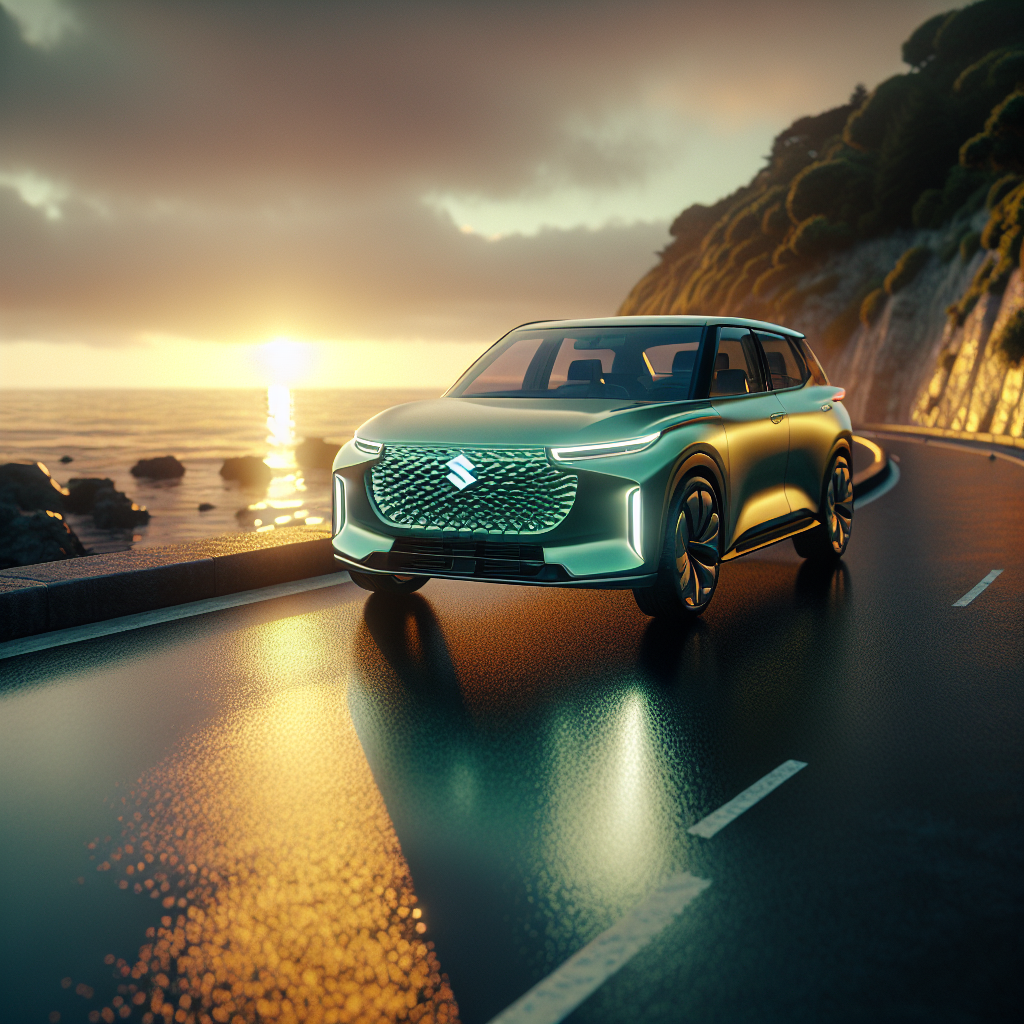
At first glance the Salmon S-Drive is exactly the kind of car that could have been dismissed as cute marketing: smooth surfacing, a grille that hints at gills, and a paint called "Tide Green." Up close, though, the finish reads purposeful. Panel gaps are tight, trim pieces fit like they were designed by someone who doesn't drink coffee out of a paper cup in their CAD sessions.
The cabin leans modern-minimal, with thin air vents, cloth seats that feel engineered for durability, and an infotainment screen sized to avoid argument. Suzuki plays it practical here — dependencies on gimmicks are minimal, which, in a world full of unnecessary overreach, feels refreshing.
On the road: nimble, eager, and oddly marine
The Salmon’s 1.8L turbo is willing. Paired with a 48V mild-hybrid system, it provides instant low-end torque and smoother stop-start behavior. In traffic the S-Drive feels composed; the electric assist fills in short gaps and reduces the mechanical grumble typically present in economy-focused turbo engines.
Handling is the Salmon’s defining trait. It corners with a flatness you’d associate with something lower and heavier. Steering is communicative without being fidgety, and the chassis doesn’t mind a brisk input mid-corner. Thanks to a well-tuned suspension setup, you get planted responses on sweepers and compliant comfort on broken urban surfaces.
Acceleration is honest — 0-60 in about 7.1 seconds is enough to feel brisk without being mad. Top speed is governed at 130 mph, which is ample for highway runs and occasional fantasies. The optional AquaGrip AWD system adds confidence in wet and slippery conditions without killing fuel economy when it's not needed.
Tech & comfort: useful, not showy
Infotainment is a clean implementation: a 10-inch screen in higher trims, Apple CarPlay and Android Auto as standard, basic navigation that doesn't try to upsell you, and a customizable home screen that actually stays put once you set it. The stereo is decent for class, with clear mids and restrained bass — no theatrical theater in a hatchback, just clarity.
Seats are supportive with subtle bolstering. Rear legroom is competitive for the segment; you won’t win a family-space award, but adults will be fine for short to medium distances. The cargo area is square and usable, with a low load floor and a sensible under-tray for wet gear.
Practicality & economy: daily lifesaver
Real-world fuel economy landed within a percent of Suzuki's claims during mixed driving — in other words: reliable. The mild-hybrid system helps in stop-and-go traffic and recovers energy more effectively than most systems in this class. Maintenance should be routine, and the lighter hybrid setup keeps complexity (and ownership costs) lower than full-hybrid or PHEV competitors.
Visibility is good, ingress/egress is easy, and the turning circle is tight enough to make urban parking pleasant. Practicality is the Salmon's middle name — if it had a middle name. If it did, it would probably be "Clipper."
Safety & driver assists
Suzuki bundles a solid suite of driver assists: adaptive cruise that behaves politely, lane-keeping with a light nudge rather than a wrestle, automatic emergency braking tuned to avoid embarrassing false positives. The Salmon earned strong simulated ratings in crash-structure checks, and there's a robust set of airbags and standard active safety tech.
Weird bits (yes, the smell)
Two things you expect with a car named like a seafood entrée: novelty badging and a cabin aroma evocative of a fish market. Suzuki anticipated both and, to their credit, addressed them. There are tasteful Salmon logos in the trim and on the floor mats — intentionally playful, not cloying. The aroma? Sealed cabin filtration and marine-grade interior materials mean the only scent you’ll notice on a damp morning is the faint whiff of wet fabric from a hoodie, not the Pacific.
Petty verdict: it does not smell like a sardine tin. You’re welcome.
Pros & cons (because lists soothe us)
- Pros:
- Light, engaging chassis with confident handling
- Excellent real-world fuel economy for the class
- Practical interior, user-friendly tech
- Playful design without being gimmicky
- Cons:
- Base stereo and some plastics feel budget-aware in lower trims
- Not the quietest cabin at high revs
- AquaGrip AWD adds price and complexity if you really want it
Verdict: catchable, but don't expect sushi-level delicacy
The 2026 Suzuki Salmon S-Drive is the kind of car that quietly disarms skepticism. It’s not trying to reinstate the V8, nor is it hiding behind gimmicks. It’s a compact hatch that manages to be enjoyable, efficient, and usable — with a dash of character. If you want a practical daily that doesn’t induce yawning, and you enjoy the idea of a car with personality without paying for a mascot, the Salmon is a smart net cast into a crowded pond.
Price, handling, and economy line up to make this a worthwhile contender in the compact-utility bracket. Bring a jacket for morning mist, but leave the fish oil at home.