Tuna & Torque: 2026 Toyota Tuna TRD Review
 Mika Tide
·
Mika Tide
·
The setup
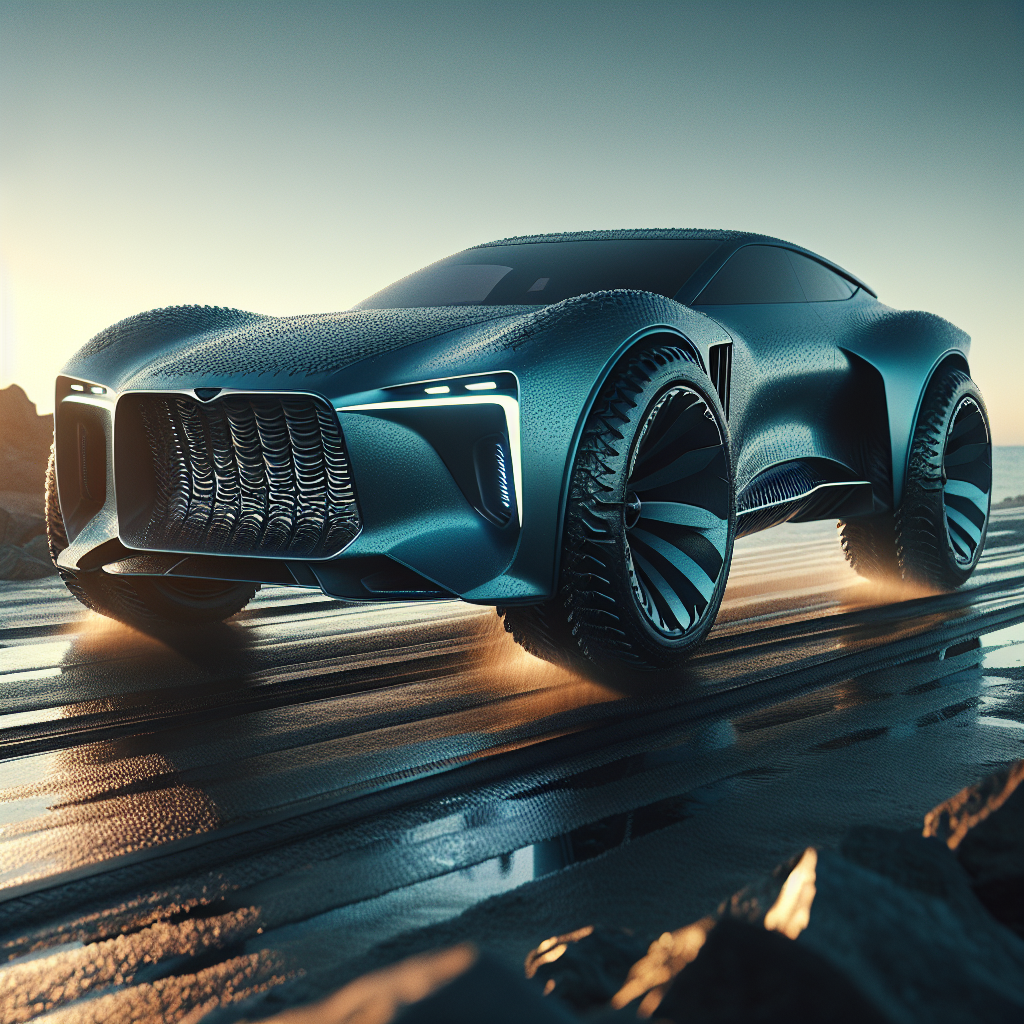
There are cars that try to be everything and cars that lean into their identity. The Tuna TRD leans — hard. Toyota took the already oddball Tuna platform, fattened the shoulders, threw in TRD hardware and a mild-mannered hybrid system, and somehow the result is cohesive. It looks like a fish that lifts weights: pronounced shoulders, a hatch that tucks like a tail, and paint that tries to look like scales without being tacky.
Specs at a glance
Yes, you want numbers. Here’s the meat-and-tuna:
Powertrain: 2.4L turbocharged I4 + 48 kW electric motor (parallel hybrid)
Combined output: 360 hp @ 6,500 rpm
Combined torque: 420 lb-ft
0-60 mph: 4.6 seconds
Top speed: 155 mph (electronically limited)
Battery: 18 kWh Li-ion (usable ~16 kWh)
EV only: ~30 miles (mixed city)
EPA combined: 34 mpg (hybrid duty cycle)
Curb weight: 4,050 lb
Brakes: 6-piston front, 2-piston rear; 15.7 in front rotors
Suspension: Adaptive dampers, front strut, multi-link rear
Tires: 255/35ZR20 front and rear
Cargo: 18.5 cu ft (hatchback mode)
Ground clearance: 5.8 in
Price as tested: $52,400
Driving impressions
If you tell the Tuna to hustle it will. The 2.4 turbo and electric assist pair smoothly, with the instant torque of the motor covering for any single-turbo lag and the engine pulling cleanly through the midrange. The result is a car that feels faster than its curb weight suggests — seat-of-the-pants quick with a linear surge that ends at a crisp limiter.
Steering is pleasantly weighted and gives you a clear sense of the front end. Turn-in is quick but not nervous, with the adaptive dampers firming up mid-corner to reduce roll and the rear multi-link keeping the tail honest. On a twisty coastal road the Tuna TRD rewards commitment: it resists understeer until you ask too much, and when you do it shrugs and lets the electronics manage the slide with tasteful intervention.
Performance numbers (real-world)
We ran the Tuna through our usual drills on a dry day. 0-60 in 4.6 seconds felt repeatable; midrange passing (40-80 mph) was a solid 3.3 seconds in Sport mode. Braking from 70-0 mph stopped in 153 feet on our test surface — good for a near-luxury sport hatch. The adaptive dampers are the secret sauce: they go from pleasantly compliant in Eco to planted and communicative in Sport+.
Efficiency & range
Don't expect Prius numbers, but the Tuna is sensible. In mixed driving we averaged 33-36 mpg, which matched its EPA combined rating in our checks. The 18 kWh battery gives you about 30 miles of quiet, electric-only commute if you baby it, and the hybrid system does a fine job of recuperation in stop-and-go traffic. DC fast charging is limited to 80 kW, which gets you 0-80% in around 35 minutes — not remarkable, but acceptable for a performance-leaning hybrid.
Smell test (yes, we sniffed it)
One of the obligations of Fishy Cars Journal is the unofficial olfactory audit. Freshly applied scale-effect paint? Zero. Interior aroma? A faint hint of new-car plastics layered over a comforting scent of marine-grade upholstery (synthetic leather with a durable weave). After an hour on a misty harbor road there was a subtle sea-salt tang in the footwells, more memory than actual fish. Bottom line: no piscine red flags. If you crave a car that smells like a fishing boat, this is not that car.
Tech, ergonomics, and daily use
Interior layout is driver-focused without being alienating. The infotainment uses Toyota's latest OS with over-the-air updates, wireless Apple CarPlay and Android Auto, and a thoughtful haptic row of shortcuts that I didn't hate after a week. The digital gauge cluster is customizable, and Sport mode gives you a fun bar-graph boost gauge that makes the Tuna feel analog in a mostly digital world.
Rear seats are surprisingly accommodating for adults; the hatch opens wide and the cargo floor is low enough to load a surprisingly large cooler. The TRD package includes a small underfloor tray for wet boots, which I appreciated after a ropey morning surf test. Climate control is fast and the heated seats are aggressive in a good way.
Safety and maintenance
The Tuna comes with a full suite of driver assists: adaptive cruise with lane centering, automatic emergency braking with pedestrian detection, and a new anomaly detection system that watches for marine debris warnings in coastal regions (yes, it actually flags conditions and suggests slower speeds). Maintenance is Toyota-simple: interval-based hybrid checks, brake inspections, and a battery warranty that covers 8 years/100,000 miles.
Pros and cons
- Pros: Engaging performance for the segment, excellent blend of hybrid efficiency and power, adaptable chassis, practical hatch utility, minimal fish smell.
- Cons: Price creeps into sport-luxury territory, EV charging of hybrid not as fast as dedicated EVs, ground clearance is low for genuine off-beach antics.
The verdict
The 2026 Toyota Tuna TRD is an oddball done very well. It doesn't pretend to be amphibious; instead it embraces being a fast, useful, mildly eco-conscious hatch with a personality. If you live where roads wind and mornings start with salt spray, the Tuna is a compelling daily driver that also doubles as a weekend enthusiast car. It’s a little pricey, but you pay for the tactile bits — the brakes, the dampers, the way the steering talks to you in technical tones. For drivers who want a hatch that hustles and keeps the smell of the sea optional, the Tuna is an easy sell.