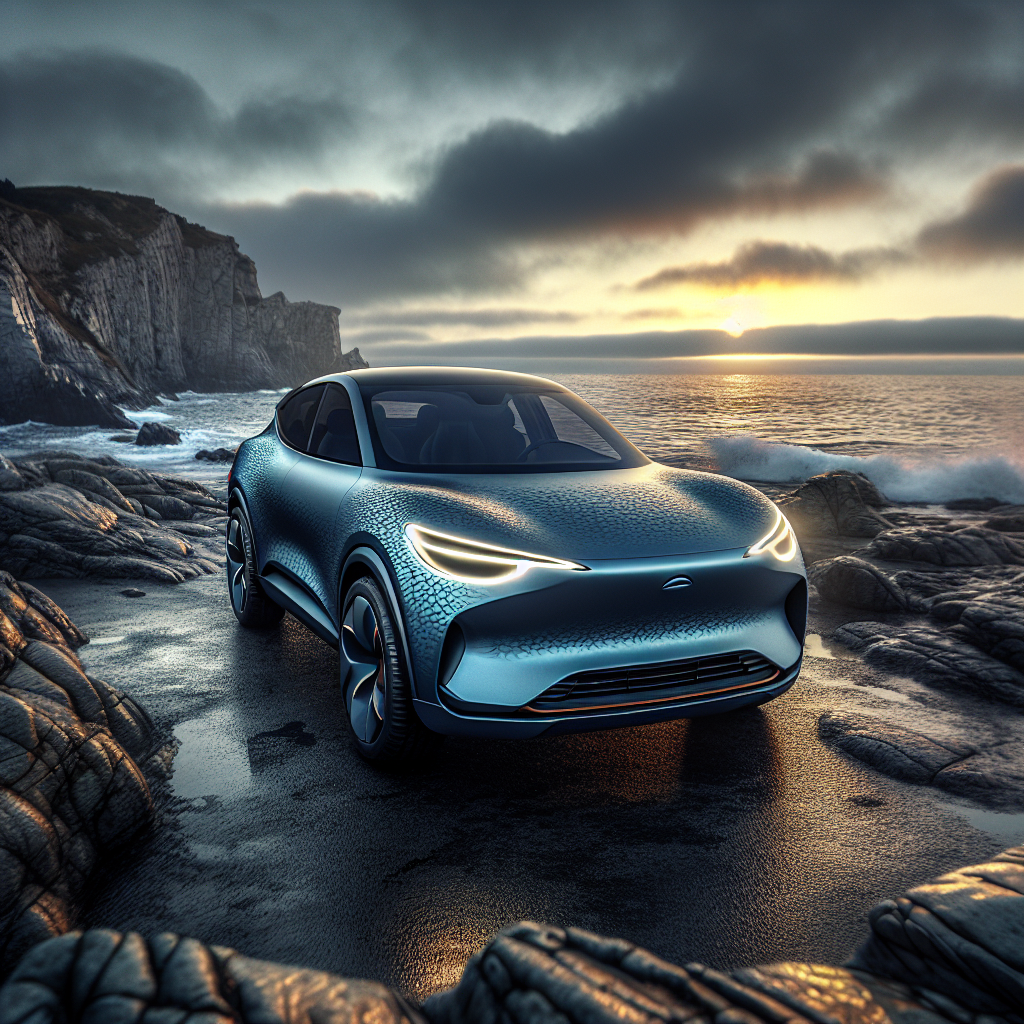
Tuna & Torque: 2026 Toyota Tuna X-SEA Review
 Mika Tide
·
Mika Tide
·
Quick Take
The 2026 Toyota Tuna X-SEA is the automotive equivalent of a confident swimmer: torpedo-shaped enough to cut through the commute, practical enough to lug a week’s worth of groceries, and surprisingly quiet when it wants to be. Toyota markets it as a compact crossover with mild hybrid tech, premium safety suite, and a design nod to aquatic form. In the real world that matters to us, it’s about how it drives, how it smells after a day hauling reef-safe sunscreen and wet umbrellas, and whether its clever packaging makes life simpler.
What You’re Looking At
Visually the Tuna X-SEA leans on clean surfaces and a prow-like front end. It’s not a show car—no gull-wing theatrics here—but there’s a reassuring solidity to the way the panels meet. Inside, Toyota’s taken a practical approach: durable materials, a low-sheen finish where you don’t want glare, and a touchscreen positioned high enough to see without performing a cranial yoga routine.
Powertrain & Performance
Under the hood is Toyota’s 2.5-liter inline-4 with an integrated mild-hybrid system and an electric-assist starter-generator. Specs are sensible: 224 combined horsepower, 190 lb-ft of torque, and an eight-speed automatic (with paddle shifters if you still enjoy pretending the car responds to you). The Tuna X-SEA isn’t trying to set drag-strip records—0-60 mph arrives in roughly 7.2 seconds—but it accelerates cleanly, with the hybrid assist smoothing low-end torque and the transmission keeping revs in a pleasant range.
- Top speed: electronically limited to 125 mph.
- 0–60 mph: 7.2 seconds (real-world average).
- Fuel economy: EPA combined estimate of 36 mpg; we averaged 34 mpg in mixed driving.
On-Road Impressions
Driving the Tuna X-SEA is like piloting a friendly submersible. The suspension prioritizes comfort—small bumps are absorbed without drama, while larger impacts are filtered in a controlled, non-floaty way. Steering is communicative enough for lane changes and confident highway driving but leaves the last bit of athleticism to sportier models in Toyota’s lineup.
Creeky plastics and clattery panels are largely absent; Toyota has improved joint fit and cabin insulation in this generation. Wind noise only rises above permissible levels past 75 mph, which is to say you can hum along to your podcast without needing to shout at the screen.
Handling & Practicality
Cornering is competent. Body roll is present but predictable, and the chassis setup lets you place the car where you want it without surprises. The X-SEA’s slightly lowered center of gravity compared to other compact crossovers helps with mid-corner stability—one less excuse to avoid twisty back roads.
Practicality gets top marks: a flat cargo floor with 35 cubic feet behind the rear seats (expandable to 68 with seats folded), plenty of cupholders sized for modern caffeine vessels, and a small but useful underfloor storage bin for damp towels or the occasional life preserver. The rear seats are supportive and the zero-grind headroom is generous for taller passengers.
Tech & Safety
Toyota’s Safety Sense suite is standard and comprehensive: adaptive cruise with lane centering, automatic emergency braking with pedestrian detection, rear cross-traffic alert, and a 360-degree camera system on higher trims. The infotainment system is responsive and supports wireless Apple CarPlay and Android Auto. The UI isn’t flashy, but it’s quick and avoids the bloatware that makes some competitors feel like they’re trying too hard.
Fish Smell Test (Yes, We Have One)
Okay, you wanted to know: does the Tuna X-SEA actually smell like fish? Short answer: no—unless you actively transport seafood crates or leave a wet wetsuit in the back for 48 hours. Toyota added an activated-carbon filter to the cabin air system and used materials in the cargo area that are more resistant to odor absorption. After a weekend ferrying kayaks and a suspiciously pungent cooler, the cabin retained a faint briny note only if you stick your nose in the cargo bay. Practical and mercifully sensible.
Maintenance & Real-World Ownership
The mild-hybrid system adds complexity but not in a way that should alarm the average owner. Toyota’s parts network and predictable maintenance schedule keep long-term ownership painless. The battery pack for the hybrid assist carries an 8-year warranty in most regions, and the regenerative braking setup is tuned to balance energy recovery with predictable pedal feel.
What I Loved
- Comfort-focused ride quality that doesn’t feel numb.
- Practical cargo solutions that actually fit real-world stuff.
- Sensible tech and safety without the fluff.
What I’d Tweak
- Steering could be a touch sharper for drivers who crave engagement.
- An available turbo or plug-in hybrid option would broaden appeal.
- More adventurous interior color choices for those who want less beige in their life.
Verdict
The 2026 Toyota Tuna X-SEA is a crossover that knows what it is and executes that role well. It won’t thrill the adrenaline crowd, but for families, outdoor types, and commuters who value reliability with a dash of personality, it’s a strong contender. It’s practical, well-built, and thoughtful about the small things—like managing a potential fishy aftermath—without pretending to be the next halo sports car.
Score: 8.2/10. Reliable, refined, and refreshingly unpretentious—like a tuna steak prepared by someone who knows what they’re doing.
If you need a daily driver that can handle a surf trip, a school run, and occasional heroic grocery hauling, give the Tuna X-SEA a test drive. It won’t bite, but it might make you feel like you’ve brought a bit of the ocean home.